

PAGASA
Alert level, rainfall and drought outlook
Philippine alerts and rainfall
PAGASA El Niño Advisory · Niño 3.4 at +3.3 °C (IRI) · +3.3 °C
A very strong El Niño is here, likely peaking before the year ends. Here’s what to prepare for:
No spam. We only use your email to send the brief · Data Privacy Act
As of 19 Nov 2026, 8:00 AM · PAGASA, IRI Columbia
A Very Strong El Niño is currently present in the tropical Pacific and is expected to persist until the first half of 2027, potentially reaching its peak by the end of 2026. This is PAGASA’s monitoring page as updated on 4 November 2026, confirmed by Advisory No. 6 issued 3 November 2026.
PAGASA has the country on El Niño Advisory. Expect a drier, warmer dry season than usual.
PAGASA alert level
+3.3 °C
Niño 3.4 ocean warmth. Anything above +2.0 °C is in the “very strong” range.
As of 14 Oct 2026 · IRI Columbia
Niño 3.4 index, 2026
°C above normal · monthly · shape is sample · latest +3.3 °C on 14 Oct 2026
Very strong · +2.0
El Niño threshold · +0.5
+3.3 °C
+2.46 °C
Very strong El Niño by NOAA's measure
NOAA CPC · Oct 2026
+2.75 °C
Relative Niño 3.4, above threshold
BoM · week ending 8 Nov 2026
Nov–Dec 2026
Effects linger into mid-2027
PAGASA, BoM · Nov 2026
210.25 m
0.25 m above full, 7.63 m above rule curve
PAGASA · 19 Nov 2026, 8:00 AM
+2.46 °C
Very strong El Niño
+2.75 °C
Relative Niño 3.4
Nov–Dec
Effects into mid-2027
210.25 m
0.25 m above full
Each guide starts with one number and what it means for your household this month.
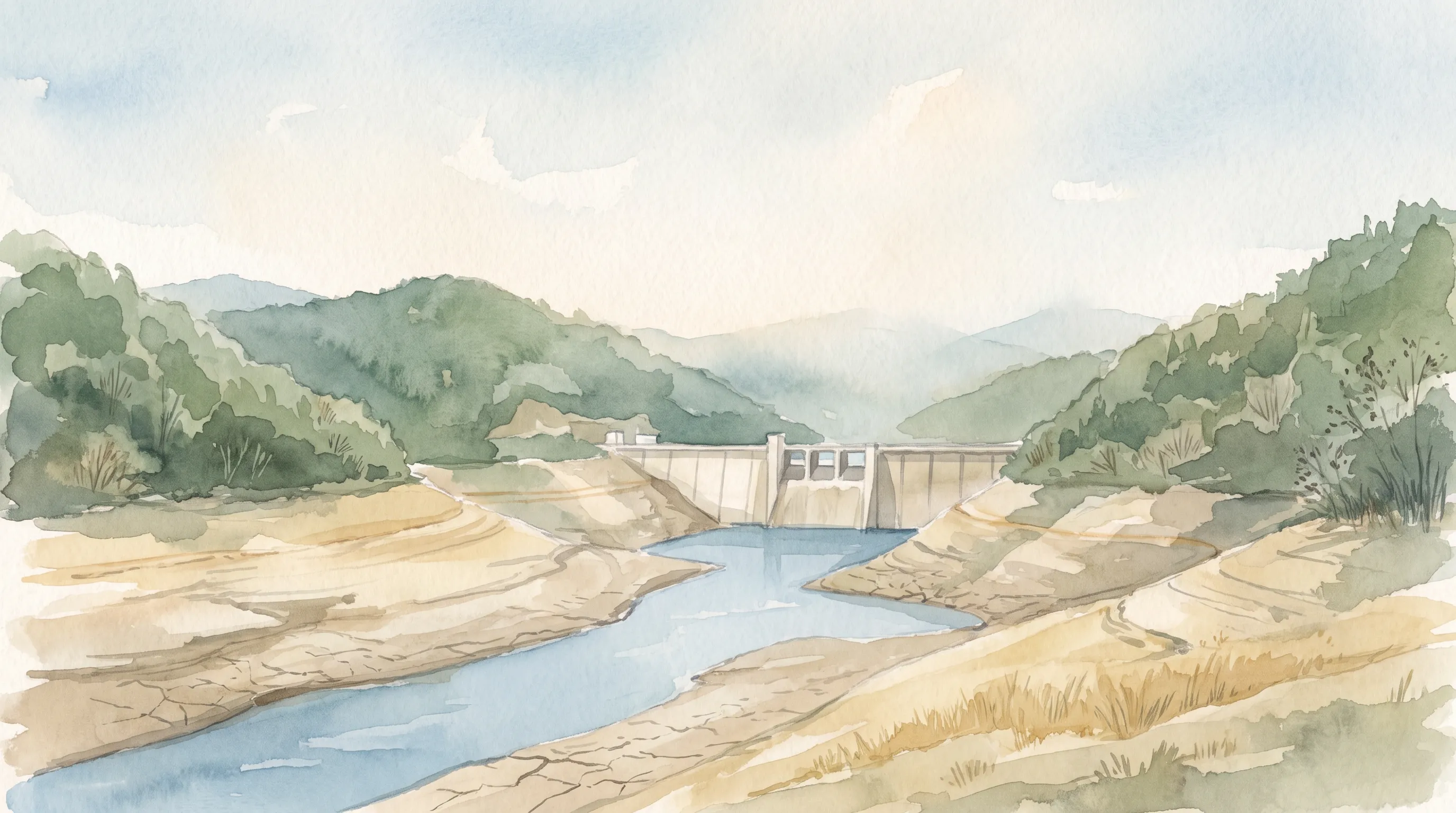
Water
Angat is 0.25 m above its 210.00 m full level and 7.63 m above the 202.62 m rule curve — the opposite of the mid-2026 shortage. The 180 m minimum operating level (secondary) is where allocation cuts usually begin.

Food & prices
₱49.89/kg · national
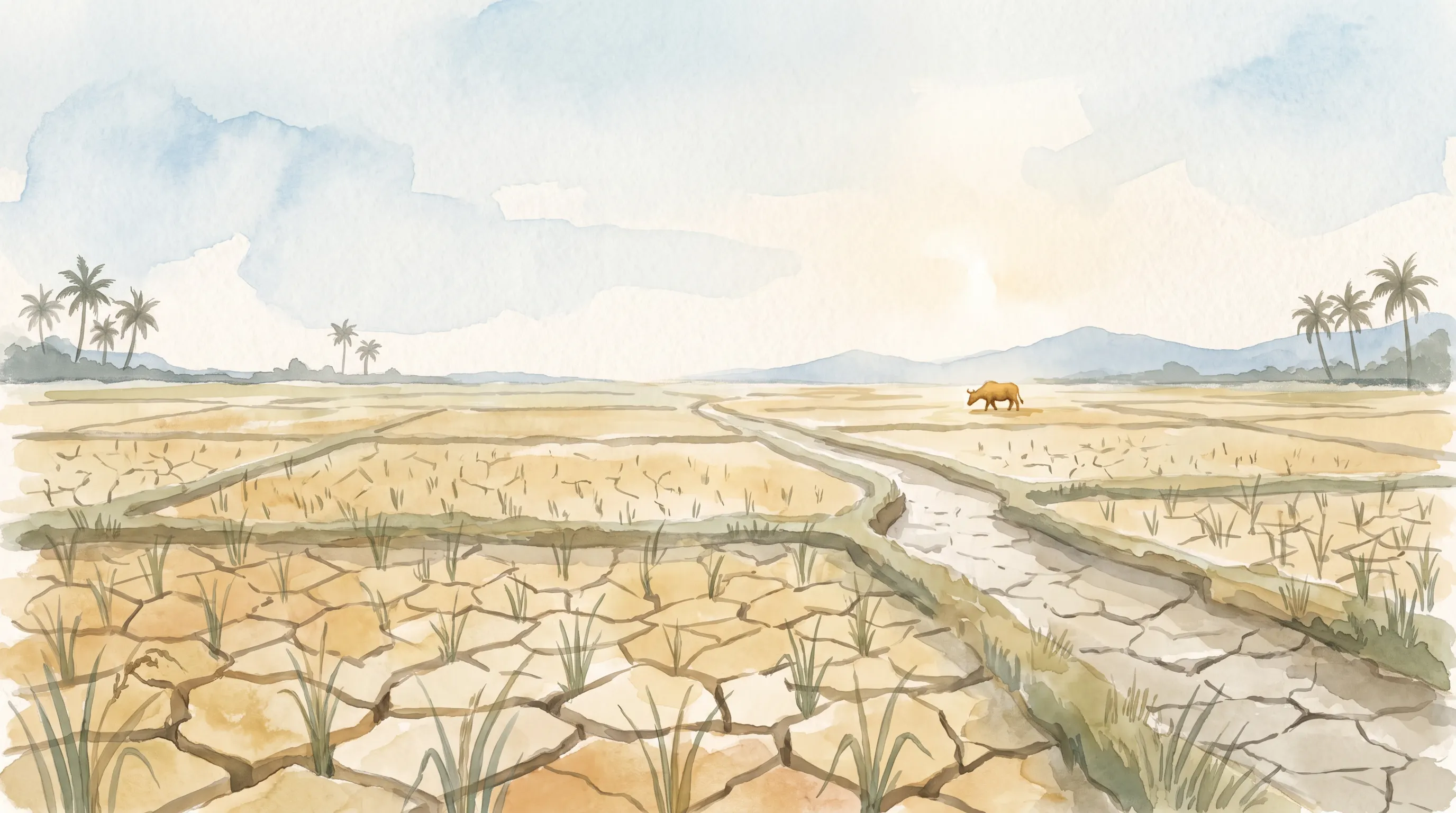
Farming
58% of provinces · sample

Heat & health
42–46 °C heat index · sample
Power
₱15.5510/kWh · Nov 2026
Short answers to what people search for most. Each one takes under five minutes.
A warming of the central Pacific that shifts rain away from the Philippines.
No. Forecasters say “strong” or “very strong”. Here is what those mean.
Most El Niños run 9 to 12 months. The dry effects show up after the peak.
Opposite phases: one brings drought, the other more rain and stronger typhoons.
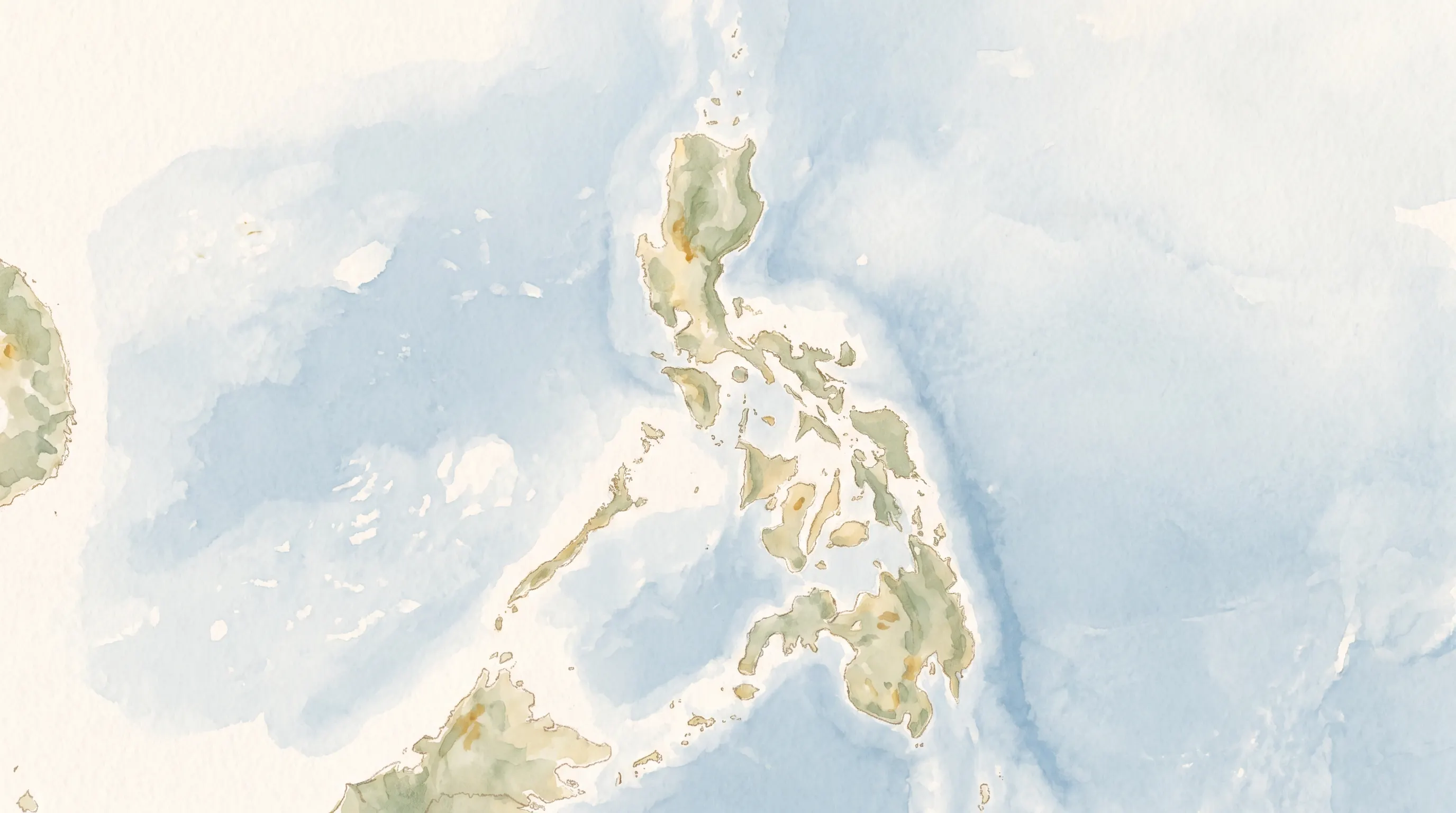
Drought likely in 31 provinces by February
31 provinces by February
Dry spell in 9 provinces, rain 40% below normal
9 provinces, rain 40% below
Dry conditions in 6 provinces, watch for water cuts
6 provinces, watch water cuts
The hardest months for water and farms come after the ocean peaks, not during it.
Jun 2026 Done
PAGASA flags rising odds.
Aug 2026 Done
Onset expected within months.
Nov 2026 We are here
El Niño is underway and near its peak.
Nov–Dec 2026 Likely
Warmest Pacific readings.
Feb–May 2027 Likely
Low dams, heat, crop losses.
Mid-2027 Possible
Back to neutral.
The reservoir gained all of November's losses back: it now sits 0.25 m above its 210.00 m normal high and 7.63 m above the rule curve.
Up ₱0.4895 from October; a typical 200 kWh household pays about ₱98 more this month.
CPC expects a strong to very strong El Niño through January–March 2027, with a peak in November or December.
We do not forecast. We read official bulletins, explain them in plain words, and link back. For warnings, always follow PAGASA and NDRRMC.
We read the official bulletins so you don’t have to, and link back to each one.
How we work → How we check our numbers →Alert level, rainfall and drought outlook
Philippine alerts and rainfall
ONI index and ENSO status, monthly
Ocean temperature index
Niño 3.4 forecast plume
Model forecast plume
Second opinion on ENSO status
Second opinion on status